There is a lot to think about when picking a school. Some families care most about teachers, others care most about safety or specific programs. Let’s find what matters most to you and your child.
These are 9 elements of schools that parents told us are important. Think about which 3 or 4 are the most important to you and your child – focus on those when researching schools.
Each element shows you:
- Things to Look For when you visit or read about a school
- Questions to Ask when you talk to a teacher or school leader
Access to grade level materials
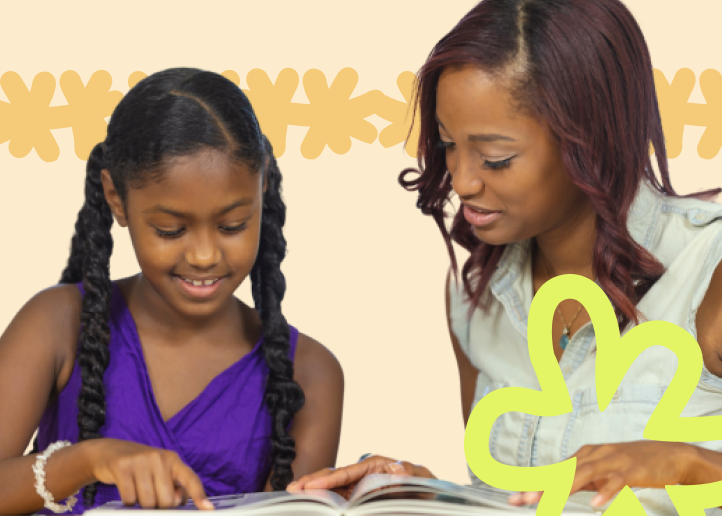
Make sure your school is teaching your students what they are supposed to be learning. If you want to know more about what your child should be learning, check out the MN Standards Family Guides, a tool to help families understand what it means to be on grade level.
Things to look for:
- Students access grade-level curriculum & instruction.
- Students are reading & doing math at grade level
- Check out a school’s “Proficiency” in their profile to learn about how they are doing
- Students are growing in their math and reading skills
- Check out a school’s “Progress” in their profile to learn about how they are doing
- For high school students, are students getting ready for college and/or career?
- High schools: percent of graduates who attend & graduate from college
- Check out a school’s “Academics” in their profile to learn about how they are doing
Question to ask:
- How do you make sure all students are learning grade level material?
- What data will you share with me so I know how my child is doing
- What do you do if a student needs help catching up?
- What data do you use to make sure students are on track?
- How do you prepare students for life after high school?
Student focused instruction
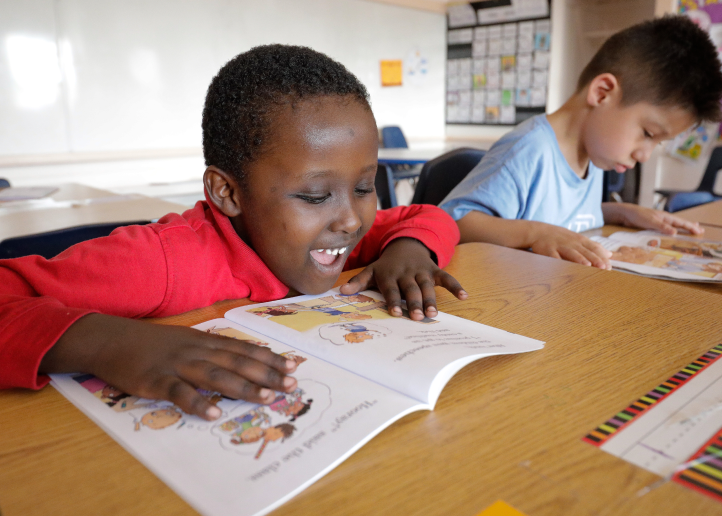
Students learn best when lessons fit them and include who they are. Students should be at the center of learning. The classwork should reflect their background and interests. They should be taught in a way that works well for them.
Things to look for:
- Students have a say in what and how they learn
- Students know how their work is graded
- Classwork reflects students’ interests and cultures
- Teachers use tests and feedback to make changes when needed
Question to ask:
- How do teachers change their teaching style to fit different kinds of learners?
- Do lessons include my child’s culture or interests?
- What do you do to help students with special needs?
- Check out a school’s “Special education programming” in their profile to learn about how they help these students
- How do you make space to listen to students?
- How do you make sure diverse students have access to all programs?
- Check out a school’s “Equity vision” in their profile to learn about how they try to do this
Diverse and culturally intelligent teachers
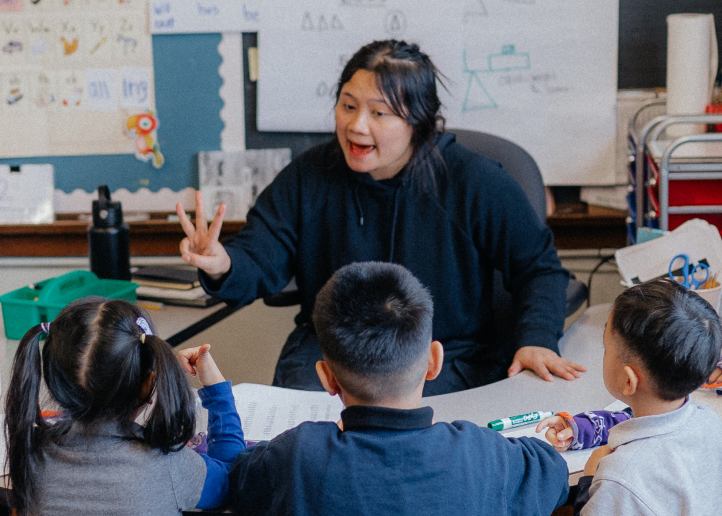
Kids feel safe and seen when their teachers understand them and their culture. Students feel welcome in schools with teachers who reflect their identities, understand their cultures, & have worked with students like yours.
Things to look for:
- Teachers and school leaders look like the students in school
- Check out a school’s “Teachers at this school” in their profile to learn about what backgrounds teachers come from
- Teachers learn about different cultures, either through personal experience or training
Question to ask:
- Do your teachers look like your students? What are you doing to get better?
- Have teachers done cultural competency trainings?
- How do you help teachers learn how to work with all students?
Communication that works for you

Schools should talk with families in ways that are clear and respectful. Schools should adjust communication to the preferences of parents.
Things to look for:
- Meetings happen when families are free
- Interpreters & translations are available
- Check out a school’s “Languages spoken by school staff” in their profile to learn about what languages they can help with
- Families get important updates right away
Question to ask:
- Does your school offer home visits?
- Do you have interpreters for events?
- How will you let me know if something changes at school?
- When and how do teachers communicate with families?
Welcoming culture and climate
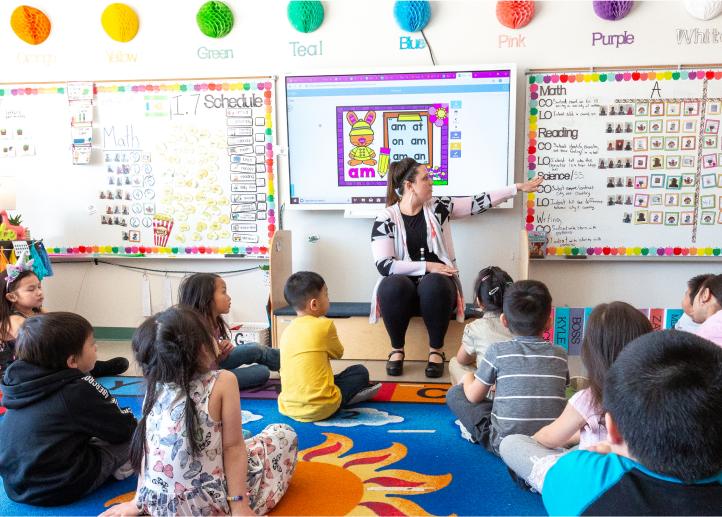
Families and students should feel like they belong when they walk into the school.
Things to look for:
- Signs in more than one language
- Support for families (like transportation, interpreters, food, or child care)
- The school feels friendly and safe
Question to ask:
- How do you ask families for feedback?
- Can I visit my child’s classroom?
- How do you help families participate in school events?
- What is the school’s attendance rate?
Families are included
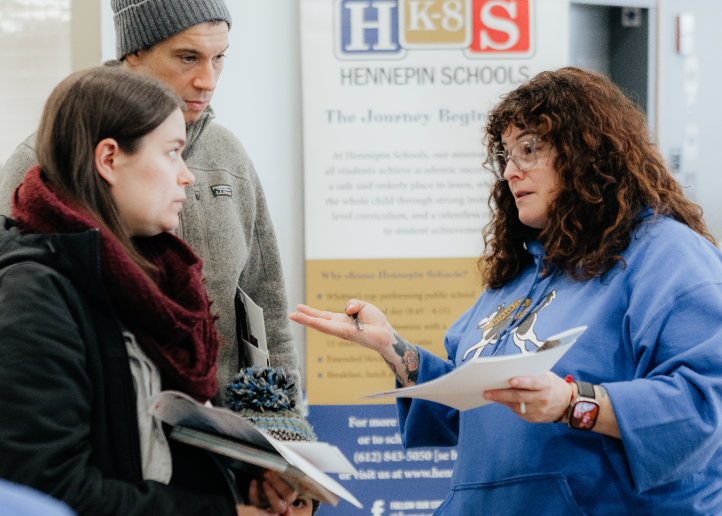
A student’s first teachers are their parents, and families should be part of the school team!
Things to look for:
- The school has someone that works with and advocates for families, usually called a family liaison
- Schools give families the chance to connect with each other
Question to ask:
- How do families share ideas with or help each other?
- Do you have any parent classes?
- Can parents suggest ideas for teacher training?
- How do you bring in families to help make the school better?
Fair discipline
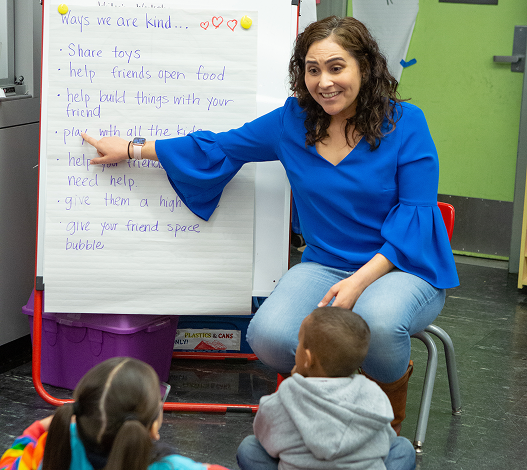
Rules should help kids learn and feel safe, not push some kids out. Students should not be more likely to receive disciplinary actions based on their race. Schools should use fair rules that respect all students’ cultures.
Things to look for:
- Discipline data is shared for each student group
- Check out a school’s “Discipline” in their profile to learn about how different students are being treated
- Communication is sensitive to historical trauma and avoids triggering words
Question to ask:
- What kind of discipline do you use?
- How do you make sure students of different backgrounds get treated the same?
- Check out a school’s “Equity vision” in their profile to learn about how they try to do this
- How are you trying to get better with discipline?
Leaders look like students
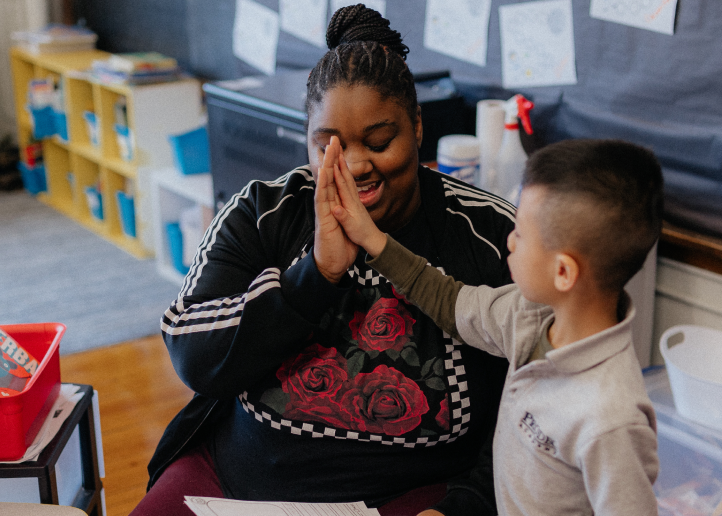
School leaders and the board of directors should look like and listen to the families they serve.
Things to look for:
- Families help lead and share their culture
- There are councils or meetings for families
Question to ask:
- Are parents on the school board or leadership group? What do they help decide?
- How can I volunteer or be involved?
- Do you have a parent bill of rights?
Families set the school’s values
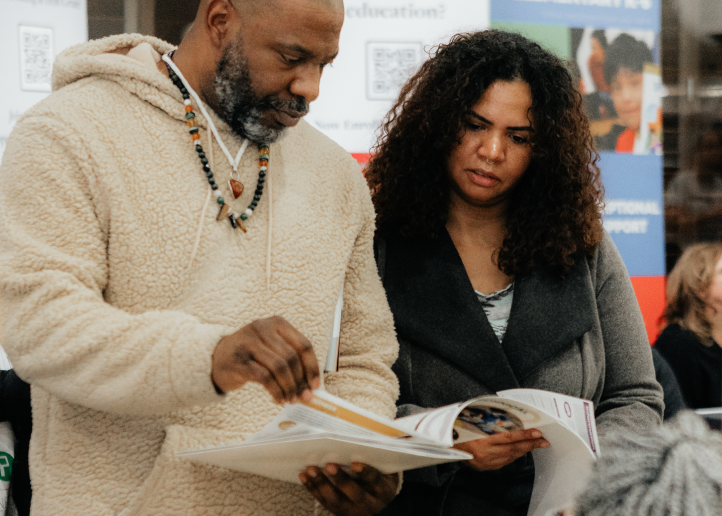
Schools should listen to families and work together to make school great.
Things to look for:
- Families give feedback through surveys
- Families help decide what matters at school
- There’s a clear way to share concerns
- Families and cultures are embraced
Question to ask:
- Do you have surveys for families? What do you do with the answers?
- How do I file a grievance?
- How do families and teachers talk about what the school believes in?
Set your student up for success
Use the Minneapolis School Finder to discover your best matches, or register for the Minneapolis K-12 School Finder Fair. Review the Minnesota Standard Family Guides to see if your student is on track for the next grade.
